The Outer Banks
A string of barrier islands off the coast of North Carolina. Beach houses, small towns, and time that moves a little slower.
What are the Outer Banks?
The Outer Banks is a string of barrier islands off the coast of North Carolina, known for its wide beaches and natural landscape. It's a place people come to spend time together and stay close to the water.
Unlike many beach destinations, the Outer Banks isn't built around high-rise hotels or a single main strip. Instead, it's made up of smaller towns, each with its own feel, from walkable and refined to quiet and residential.
Most visitors stay in vacation homes, which shapes the experience. Days tend to revolve around the beach and time at the house, with a pace that feels more relaxed than a typical vacation.


What makes the Outer Banks different
The Outer Banks stands apart from other coastal destinations in a few key ways.

Vacation homes over hotels
Staying in a beach house changes how the week feels. Meals are shared, mornings are slower, and time together becomes part of the experience rather than something you have to plan around.

A more natural setting
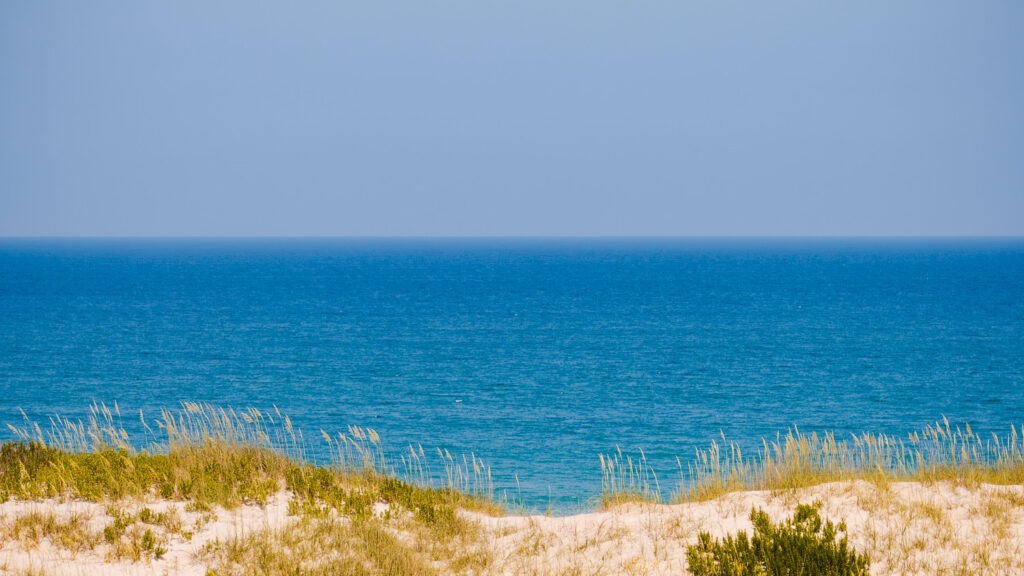
Much of the coastline remains less developed, with wide beaches, dunes, and maritime forests that give the area a more open feel — fewer high-rises, more room to breathe.

Each town has its own personality
From the walkable village in Duck to the remote beaches of the 4x4 area, where you stay has a real impact on how your vacation feels — not just a detail.

It's a drive-to destination
Most guests arrive by car, unpack for the week, and settle in. That rhythm of arriving, unpacking, and staying put is a big part of why the vacation feels different from the start.

Ocean and soundside living
With both the Atlantic Ocean and the Currituck and Roanoke Sounds, there are two distinct ways to be on the water — from surf and waves on one side to calm, sunset-facing views on the other.
When to visit the Outer Banks
Each season offers a different experience, from peak summer weeks to quieter trips with fewer crowds and lower rates.

- Peak beach weather
- Warm water swimming
- Book well in advance
- Learn more about Summer

- Fewer crowds, lower rates
- Best surf of the year
- Warm ocean through September
- Learn more about Fall

- Solitary beaches
- Best off-season rates
- No lines at lighthouses
- Learn more about Winter

- Uncrowded beaches
- Dunes in bloom
- Shoulder-season rates
- Learn more about Spring
Choosing the right town
Where you stay on the Outer Banks has a big impact on how your vacation feels. While the towns are all relatively close to each other, each one has its own pace, layout, and overall vibe. There isn't a single "best" option. It depends on what kind of week you're looking for.
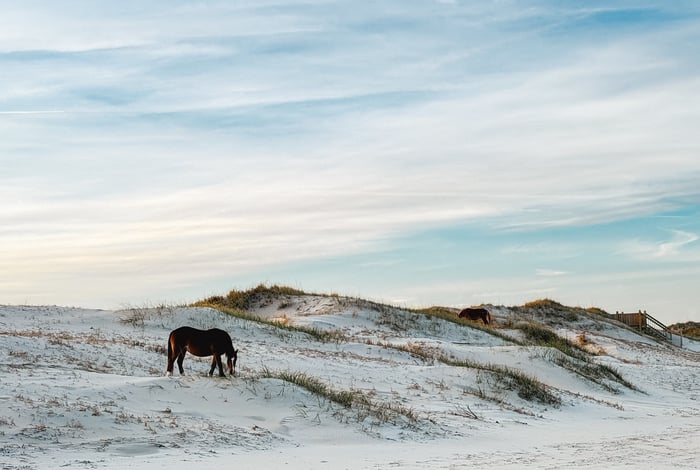
4x4
Accessible only by 4WD, this area offers a more unstructured experience, with wild horses, open coastline, and very little development. One of the most unique experiences on the Outer Banks.
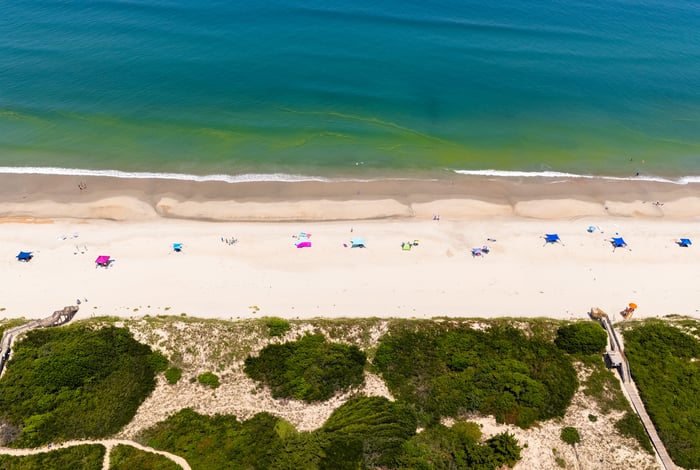
Corolla
Known for upscale homes and a laid-back setting, Corolla is a popular choice for extended families, special occasions, and trips centered around time together at the house and beach.
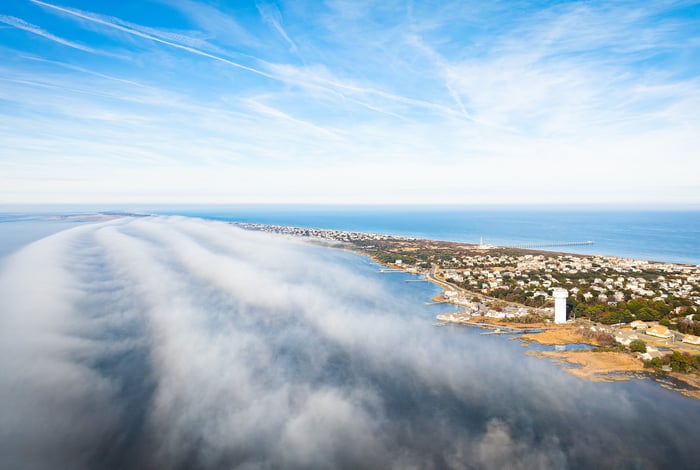
Duck
A good fit if you like being able to walk or bike to restaurants, shops, and the waterfront, with a slightly more polished, coastal village feel.
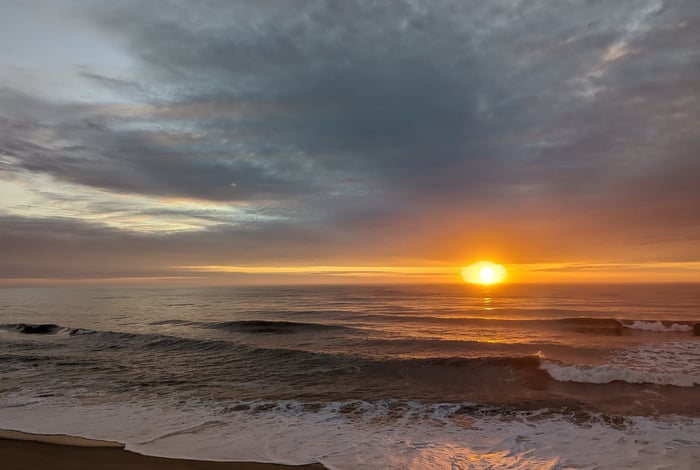
Southern Shores
A primarily residential area with uncrowded beaches, tucked between Duck and Kill Devil Hills. A strong fit if you want calm without being far from everything.
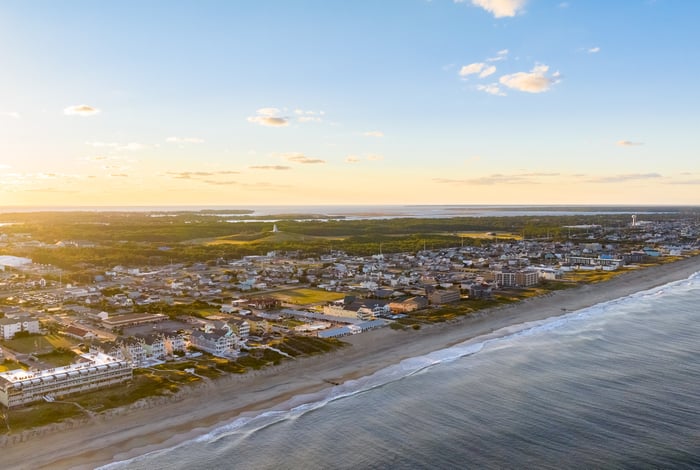
Kill Devil Hills
Centrally located with easy access to grocery stores, restaurants, and activities. A good choice if you want options, flexibility, and plenty to do throughout the week.
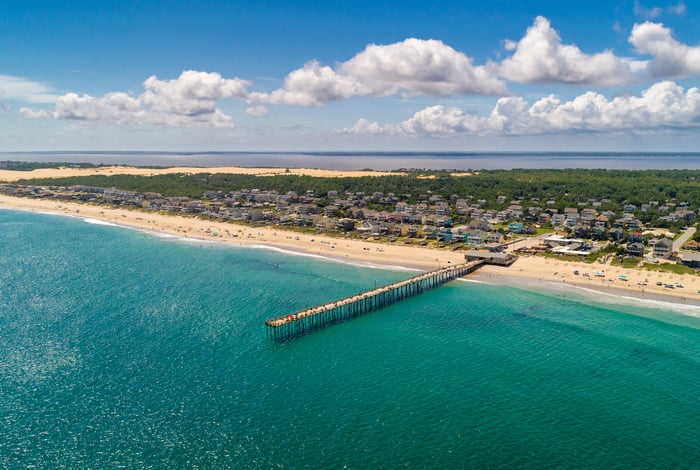
Nags Head
Home to some of the Outer Banks' most recognizable spots, with a mix of beach, nature, and local favorites. A strong option if your group wants a little bit of everything.
Choosing the right location
Where your home sits (oceanfront, semi-oceanfront, oceanside, or soundfront) can shape your entire experience.

Oceanfront
Direct beach access from your door. Wake up to the sound of waves, step out for a morning walk, and spend the day without ever getting in a car.
Browse Oceanfront Homes
Semi-Oceanfront
One row back from the beach, often with ocean views, a short walk to the sand, and more home for your budget than true oceanfront.
Browse Semi-Oceanfront Homes
Soundfront
Face the calm water and catch every sunset from the deck. Known for kayaking, paddleboarding, and a quieter, more protected setting.
Browse Soundfront HomesNot sure which location is right for your trip? We broke down oceanfront, semi-oceanfront, oceanside, and soundfront, including what guests say after they've stayed in each type.
OBX guides & resources
Discover what makes the Outer Banks so special.


Frequently asked questions
A few things people often ask when planning their first trip to the Outer Banks.
Most visitors stay in vacation homes rather than hotels. That’s a big part of what makes the experience different—you have more space, shared living areas, and the ability to spend time together throughout the week.
Not necessarily. While many homes are designed for larger groups, there are options for smaller families as well. It really depends on how much space you want and how you plan to spend your time.
Oceanfront homes offer direct access to the beach and waves, while soundfront homes face calmer water and are known for sunsets and a quieter setting. Both offer very different experiences, and the right choice depends on your preference.
Summer is the most popular time, with warm weather and everything open. Late spring and early fall are also favorites for many visitors, with fewer crowds and still-warm water.
Most visitors arrive by car. Once you cross the bridge, getting around is straightforward, with one main road connecting the towns from north to south.
Traffic can be heavier on peak arrival and departure days, especially during the summer. Once you’re here, getting around during the week is generally easy.
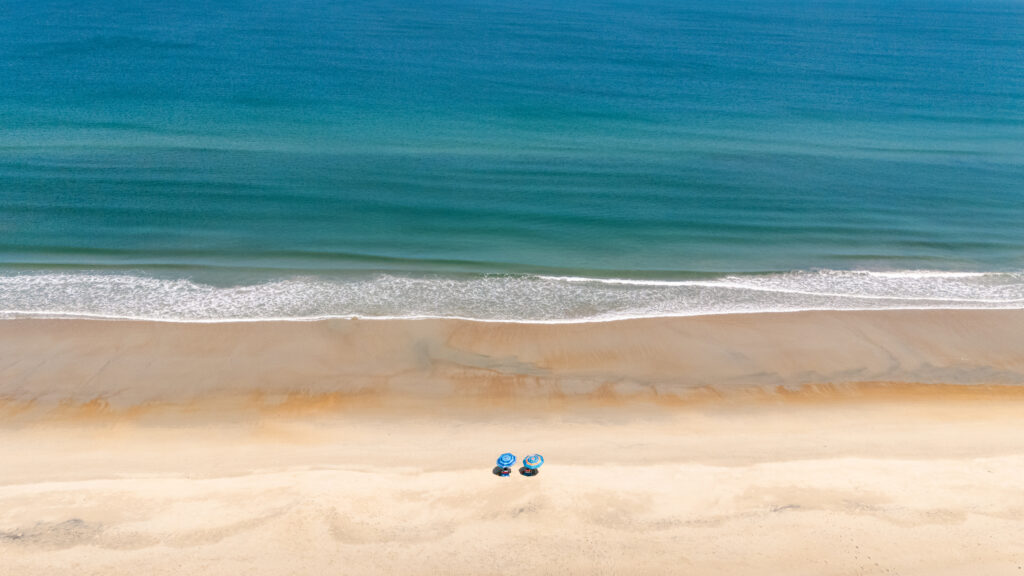
Beaches in the Outer Banks are generally wide and open, with plenty of space to spread out. Conditions vary by day, but many areas are well-suited for swimming, walking, and spending the day by the water.
Only if you’re staying in areas like Carova (4x4), where driving on the beach is required. Most of the Outer Banks is easily accessible by standard vehicles.
The 4x4 area is more remote, with no paved roads or nearby stores. The drive happens on the beach, and the experience is more rugged and unstructured. It’s very different from the rest of the Outer Banks and something many people find memorable.
Yes, but most activities are low-key. Things like fishing piers, local restaurants, biking, kayaking, and exploring nature are common. The experience tends to be more about how you spend your time than filling a packed itinerary.
Not really. Many visitors plan a few meals or activities, but leave most of the week open. It’s common to figure things out as you go.
Most days are simple—time at the beach, time at the house, and a few outings mixed in. Evenings are often spent cooking, relaxing, or heading out for a casual dinner.
It depends on where you stay. Some areas are more active and central, while others are quieter and more residential. That’s why choosing the right town is an important part of planning your trip.
For many, it becomes a tradition. The combination of familiar places, time together, and a slower pace is what brings people back again and again.
What about the rest of the Outer Banks?
The Outer Banks continues south beyond Nags Head into areas like Rodanthe, Waves, Salvo, Hatteras Island, and Ocracoke. These parts of the OBX feel more remote, with fewer restaurants, shops, and activities nearby. The pace is slower, and the experience is often more centered around the beach, fishing, and time outdoors.
If you're looking for a quieter, more unplugged kind of trip, these areas can be a great fit. They tend to appeal to repeat visitors or those specifically seeking that level of seclusion.
Twiddy focuses on the northern Outer Banks, where there's a balance of natural setting, accessibility, and a range of homes and amenities.


From the Twiddy Blog

Corolla Cork & Craft

Your First Look at New Outer Banks Businesses Opening This Summer
OBX Rentals: Elevators

History of the 4×4 Beaches

Finding Rest on the Outer Banks
What to Do in the Outer Banks in September

8 Great Books About Outer Banks History

OBX Girls Trip Itinerary
Your Guide to Wellness by the Waves
Outer Banks Trivia


Planning your trip with a local team
Planning your trip with a local team means access to real insight, support, and homes you won't find elsewhere. We've been here since 1978. This is our backyard.
- Local experts who live and work on the Outer Banks
- Over 1,500 homes from Corolla to South Nags Head
- On-site support before, during, and after your stay
- No booking-platform middlemen, direct relationships with owners